keyboard and hand
over the reins
you and goes cha-ching (while rounding up
clients who value what you bring to the world).
keyboard and hand
over the reins
like you and goes cha-ching (while
rounding up clients who value what
you bring to the world).
Grab 7 Simple Tweaks to Take Your About Page from “Who are you?” to “OMG, I need you!”
You’ll also get my occasional, unboring newsletter with helpful tips and insights. You can unsubscribe anytime.








Buck boring copy.
Your story’s too compelling to be a snoozefest.
Your website or About page needs some serious giddy-up.
But you don’t know how to wrangle the right words.
And the thought of going at it alone stings worse than saddle sores in a hot shower.
Give me an unbridled holler if you’re:
- Sounding bleh, braggy, or like your competition’s clone;
- Still making excuses for your “Coming Soon” website, the one that’s been “in the works” for months (if not years);
- Worried your original story is anything but original;
- Longing for customized language to help you easily write and talk about your business.
Imagine what it would feel like to go from stumbling over words trying to describe your business to scrolling over hopefuls on your waitlist.
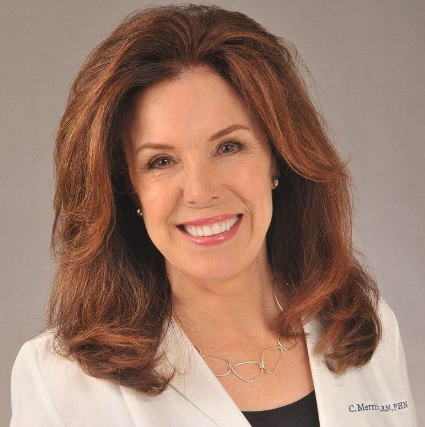
Website copy put her center stage at a national seminar.
“St. Jude Children’s Research Hospital just selected me as the ONE speaker for the Nurses Seminar. I submitted an application using my new website copy and bio—so the Universe has spoken. OMG, thank you, Melissa. I’m not your biggest client, but I AM your most grateful!”
—Connie Merritt, RN, BSN, PHN
National Keynote Speaker on Healthcare
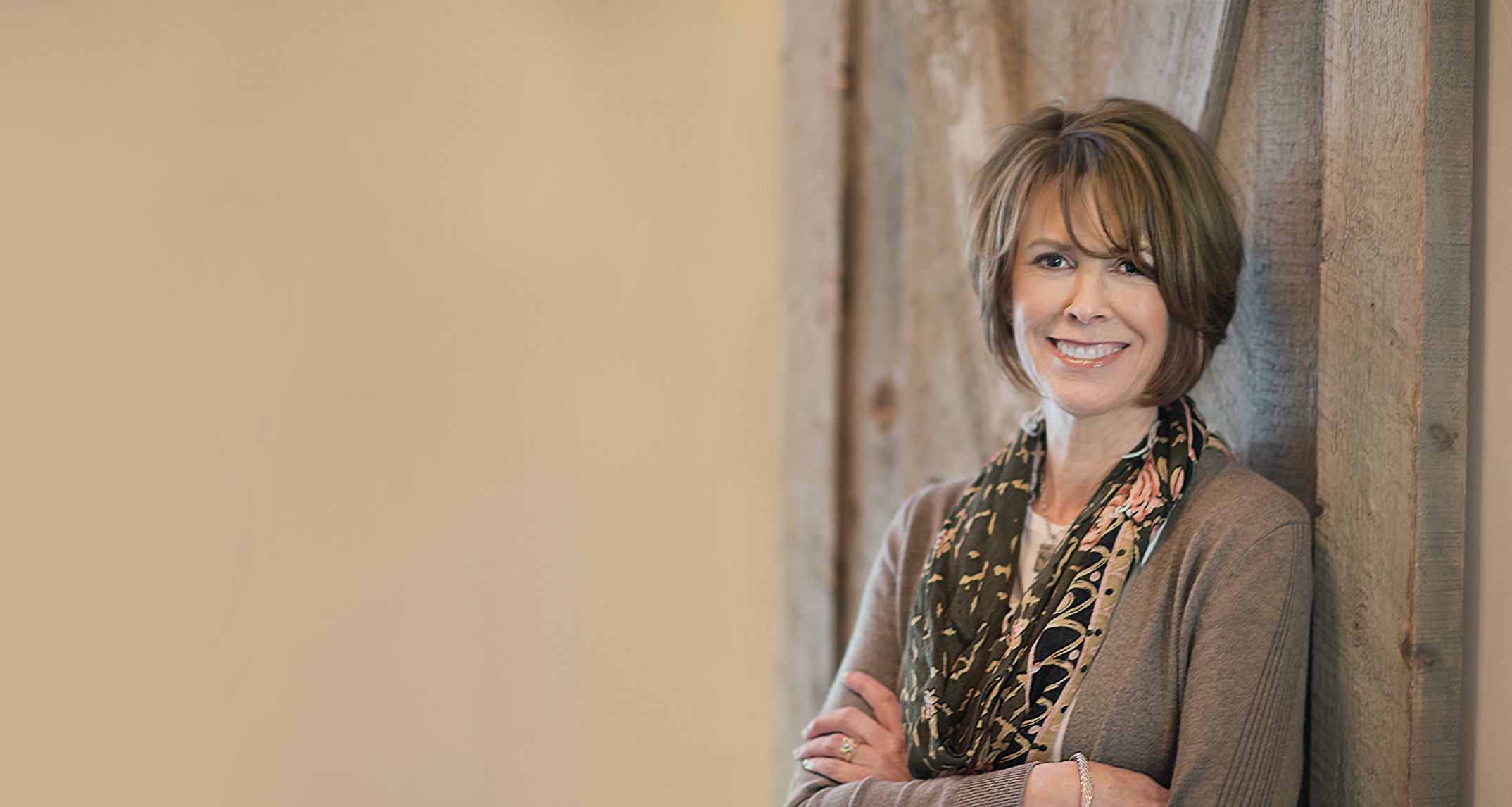
I’m Melissa Almon
Website Copy + Brand Messaging Expert
I’m in the business of transforming websites and bios from dull to divine.
Having been the copywriter for big brands like Disneyland, Hyatt, Continental, Sony, Spice Islands, and United Vintners, I learned that great copy starts with deep research. And when you go deep, the copy practically writes itself.
That rule holds true no matter the size of the business. (Otherwise, you’re making sh*t up.)
Now I partner with women who want to energize and grow their small but mighty businesses. (And sometimes with men who value the power of a woman’s perspective in connecting with their clients.)
Think Speakers, Coaches, Winemakers, Designers, Consultants and other Service-based Professionals—chomping at the bit to break the mold in their industry.
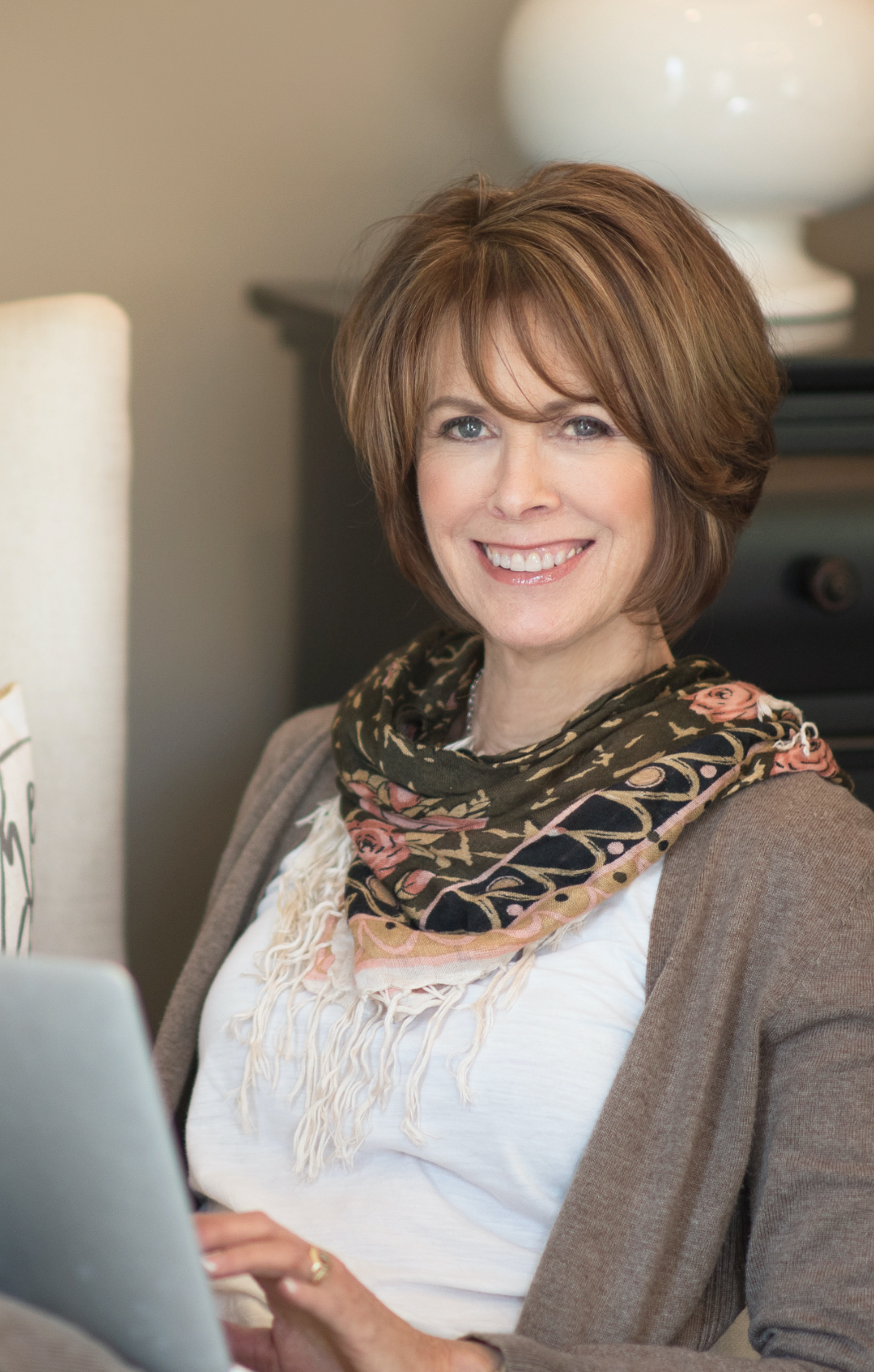
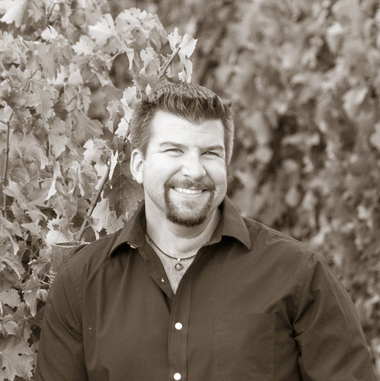
Photo by: Suzanne Becker Bronk
Napa’s top-gun winemaker gets a high-scoring bio.
“That was an incredibly dynamic bio of Thomas—much more so than most of the ‘boilerplate’ bios presented about him by other brands. It spoke to his personality but also his philosophies toward our wines.”
—Bryan Toy
Director of [Southern] Hospitality
Post Parade Wines, Napa Valley
3 WAYS TO BUCK BORING COPY

1
“About Page Quick Fix”
Audit + Feedback of your existing About page
SEE MORE
Sometimes you really don’t need to reinvent the wheel.
Let’s take a look at your current About page and identify ways to dial up the key factors that boost trust, likability, and credibility.
I’ll review where you’re at. Then on a 60-minute Zoom session, I’ll make recommendations to help you spark more connections and conversations with your ideal clients.
[popuppress id=”849″]
2
“All About Us Accelerator”
A DONE-FOR-YOU
SUPER ABOUT PAGE + 2
MUST-HAVE BUSINESS BIOS
SEE MORE
A conventional About page is about you. A Super About page is about them—your prospective clients. And you.
Rather than just talking about your experience, the Super About page demonstrates it by showing the reader you understand their world and what they’re struggling with.
With a LinkedIn Profile and Speaker’s Bio included, this package anchors your website and overall messaging.
[popuppress id=”861″]

3
“Hand Over the Reins”
1:1 DONE-FOR-YOU CUSTOM WEBSITE COPY
SEE MORE
You’ve got an established, profitable business. Now it’s time to update your website and get it up to speed with the momentum of your company.
You need a site that’s a winning match for the brand you’ve actually become—a website that attracts high-value clients and gets you booked out solid.
Every page advances your story with copy that sets you apart, sounds like you, and builds the kind of trust that converts browsers into buyers.
[popuppress id=”863″]
Helping create more Davinas in the Goliath online world…
that’s my why.
Ready to get to the heart of your why (+ who + what)?
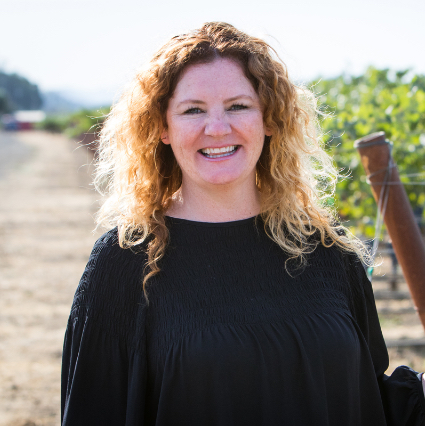
Photo by: Suzanne Becker Bronk
Bio moved her to tears.
“I cried when I first read the bio you wrote for my client. Watching you create something so honest and relevant while not ‘embarrassing’ was incredibly special!”
—Grace Fitzmorris
Grace-ful Marketing
At the end of the day:
What would happen if you gave yourself the gift of website copy, done and dusted, with your unique personality and positioning sprinkled throughout it?
Think of all the hours you could focus on what brings you fun and funds.